

Modern waste management solutions have evolved far beyond simple waste collection and disposal. Today, they focus on resource recovery, recycling, landfill diversion, and circular economy integration. Advanced technologies such as smart bin sensors, real-time data analytics, Internet of Things (IoT) monitoring, and automated reporting systems are helping businesses, councils, and communities make more informed decisions about how waste is generated, managed, and recovered.
Australia generates millions of tonnes of waste every year from households, businesses, construction projects, and industrial operations. As landfill capacity becomes increasingly constrained and environmental regulations continue to evolve, organisations are seeking smarter ways to manage waste while reducing costs and improving sustainability outcomes.
This guide explores the key components of modern waste management solutions and how Australian organisations can reduce waste, improve efficiency, and contribute to a more sustainable future.
What Are Waste Management Solutions?
Waste management solutions refer to the systems, processes, technologies, and services used to collect, transport, sort, recycle, recover, and dispose of waste materials in an environmentally responsible manner.
The primary objective is no longer simply removing waste from a site. Instead, modern waste management focuses on maximising resource recovery, minimising landfill dependency, and supporting Australia’s transition to a circular economy.
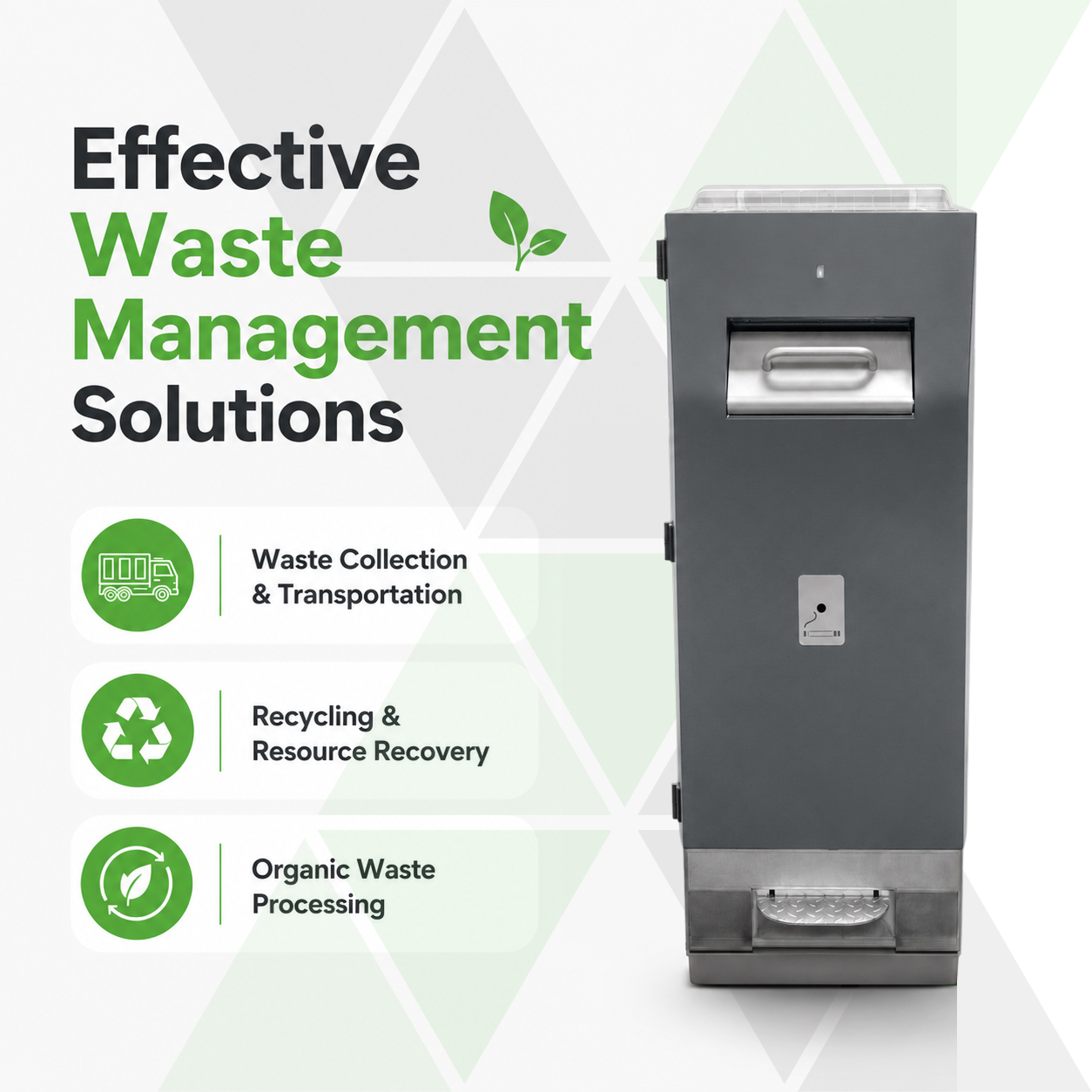
Effective waste management solutions typically involve:
- Waste collection and transportation
- Recycling and resource recovery
- Organic waste processing
- Hazardous waste treatment
- Waste monitoring and reporting
- Smart waste technologies
- Sustainability and compliance management
These solutions help organisations reduce environmental impacts while improving operational efficiency and meeting regulatory obligations.
Why Waste Management Matters in Australia
Australia’s growing population and economic activity continue to increase waste generation across all sectors.
At the same time, governments, businesses, and communities are under increasing pressure to:
- Reduce landfill waste
- Increase recycling rates
- Lower greenhouse gas emissions
- Improve resource recovery
- Support circular economy initiatives
Landfill disposal remains one of the most expensive and environmentally damaging waste management methods. Valuable resources such as paper, cardboard, plastics, metals, food waste, and electronic components are often lost when sent to landfill.
Modern waste management solutions help organisations recover these materials and return them to productive use, reducing environmental impacts while creating economic value.
The Evolution of Waste Management in Australia
From Disposal to Resource Recovery
Historically, waste management focused primarily on collecting rubbish and transporting it to landfill sites.
Australia is rapidly transitioning towards resource recovery and circular economy principles. Rather than viewing waste as a disposal problem, organisations increasingly recognise waste as a valuable resource that can be reused, recycled, composted, or converted into energy.
This shift has encouraged investment in advanced recycling facilities, waste-to-energy infrastructure, organic processing facilities, and smart waste technologies.
Australia’s Circular Economy Goals
The circular economy aims to keep materials in use for as long as possible through reuse, repair, recycling, and recovery.
By reducing reliance on raw materials and landfill disposal, circular economy initiatives help:
- Conserve natural resources
- Reduce carbon emissions
- Create new economic opportunities
- Improve sustainability outcomes
Waste management plays a critical role in supporting these objectives by ensuring valuable materials remain within productive economic cycles.
Key Types of Waste Management Solutions
Recycling and Resource Recovery Solutions
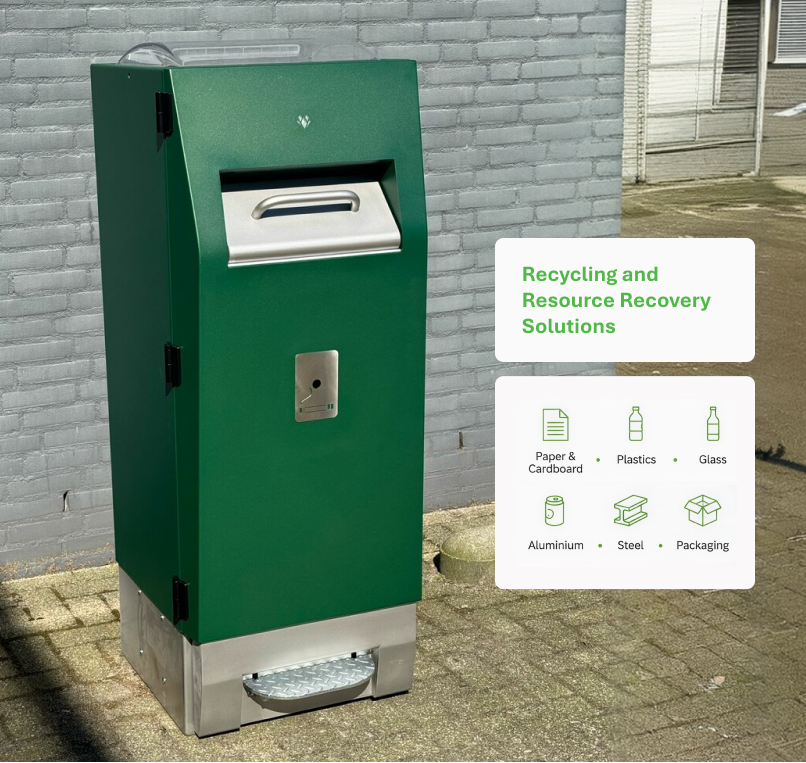 Recycling programs are essential for reducing landfill volumes and recovering valuable materials.
Common recyclable materials include:
- Paper and cardboard
- Plastics
- Glass
- Aluminium
- Steel
- Packaging materials
Effective recycling systems require proper waste segregation and employee engagement to minimise contamination and maximise recovery rates.
Resource recovery facilities further process recyclable materials into new products, supporting Australia’s circular economy goals.
Food Organics and Garden Organics (FOGO)
Organic waste represents a significant proportion of Australia’s waste stream.
Food Organics and Garden Organics (FOGO) programs help divert organic materials away from landfill by converting them into:
- Compost
- Soil conditioners
- Renewable energy
- Agricultural products
Organic waste streams typically include:
- Food scraps
- Garden clippings
- Vegetation
- Agricultural residues
By implementing FOGO programs, organisations can significantly reduce landfill costs while improving environmental performance.
Commercial and Industrial Waste Management
Commercial and industrial facilities often generate complex waste streams requiring specialised management solutions.
Common commercial waste streams include:
- Cardboard packaging
- Plastic wrapping
- Pallets
- Office waste
- Manufacturing by-products
Tailored waste management programs help businesses improve recycling performance while reducing operational costs.
Many organisations now use waste audits to identify opportunities for waste reduction and resource recovery.
Hazardous and Regulated Waste Disposal
Certain waste streams require specialised treatment and disposal to protect human health and the environment.
Examples include:
- Chemicals
- Clinical waste
- Asbestos
- Oils and solvents
- Industrial liquids
- Contaminated materials
Strict regulatory requirements govern the transportation, storage, treatment, and disposal of hazardous waste throughout Australia.
Professional waste management providers ensure these materials are managed safely and compliantly.
How Smart Waste Management Technology Is Transforming the Industry
IoT-Enabled Smart Bin Sensors
 Smart waste sensors are revolutionising waste collection and resource management.
Installed within bins, these sensors provide real-time data on:
- Fill levels
- Collection requirements
- Usage patterns
- Service performance
This information helps organisations optimise collection schedules and reduce unnecessary servicing.
Waste Analytics and Reporting Platforms
Modern waste management solutions increasingly rely on data-driven decision-making.
Digital platforms provide insights into:
- Waste generation trends
- Recycling rates
- Collection performance
- Sustainability metrics
- Landfill diversion rates
Accurate reporting helps organisations track progress against environmental goals and regulatory requirements.
Route Optimisation Technology
Collection vehicles often travel thousands of kilometres annually.
Smart route optimisation software helps:
- Reduce fuel consumption
- Lower carbon emissions
- Improve collection efficiency
- Reduce operational costs
By collecting waste only when required, organisations can significantly improve resource utilisation.
Artificial Intelligence and Predictive Waste Management
Artificial intelligence is increasingly being used to predict waste generation patterns and improve operational planning.
Benefits include:
- Better resource allocation
- Reduced collection costs
- Improved recycling outcomes
- Enhanced operational efficiency
AI-driven systems help organisations make smarter decisions based on real-time and historical data.
Benefits of Modern Waste Management Solutions
Reduced Waste Disposal Costs
Waste reduction and resource recovery initiatives can significantly lower operational expenses.
Benefits include:
- Fewer landfill charges
- Reduced collection frequency
- Lower transport costs
- Improved recycling revenue
Increased Recycling and Resource Recovery
Effective waste management programs maximise material recovery and reduce environmental impacts.
Organisations can achieve higher diversion rates while supporting sustainability objectives.
Improved Operational Efficiency
Automation, monitoring technologies, and data analytics streamline waste management processes and reduce administrative burdens.
Businesses gain greater visibility and control over waste-related activities.
Enhanced Sustainability Performance
Reducing landfill dependency contributes directly to environmental sustainability goals.
Benefits include:
- Lower greenhouse gas emissions
- Reduced resource consumption
- Improved environmental stewardship
- Stronger corporate social responsibility outcomes
Regulatory Compliance
Waste regulations continue to evolve across Australia.
Professional waste management solutions help organisations maintain compliance through:
- Accurate reporting
- Waste tracking
- Documentation management
- Environmental monitoring
Waste Management Solutions for Different Industries
- Local Government and Councils: Councils increasingly utilise smart waste technologies to improve public waste collection services, reduce costs, and enhance community engagement.
- Commercial Offices: Office environments benefit from recycling programs, waste audits, and sustainability reporting tools that reduce environmental impacts and support ESG objectives.
- Retail and Shopping Centres: Retail facilities generate significant packaging and recycling waste.
- Hospitality and Food Services: Restaurants, cafes, hotels, and food manufacturers can significantly reduce landfill waste through food recovery and organic recycling programs.
- Manufacturing and Industrial Facilities: Industrial operators often require specialised waste handling solutions that support regulatory compliance and resource recovery objectives.
- Construction and Infrastructure Projects: Construction waste management plans help project teams minimise waste generation, improve recycling outcomes, and meet environmental commitments.
The Role of Circular Economy in Waste Management
A circular economy seeks to eliminate waste by keeping products and materials in use for as long as possible.
Waste management solutions support circular economy principles through:
- Recycling
- Reuse
- Composting
- Resource recovery
- Waste-to-energy technologies
These approaches reduce demand for virgin materials while supporting long-term sustainability.
Essential Features to Look for in a Waste Management Provider
When selecting a waste management partner, organisations should evaluate:
Comprehensive Service Capabilities
- General waste
- Recycling
- Organics
- Hazardous waste
Smart Technology Integration
- IoT sensors
- Waste monitoring platforms
- Data analytics
Sustainability Expertise
- Waste diversion strategies
- Circular economy support
- Environmental consulting
Compliance Support
- Waste reporting
- Regulatory guidance
- Environmental audits
Flexible Service Models
- Custom collection schedules
- Scalable solutions
- Industry-specific programs
How Exceed ICT Supports Smarter Waste Management
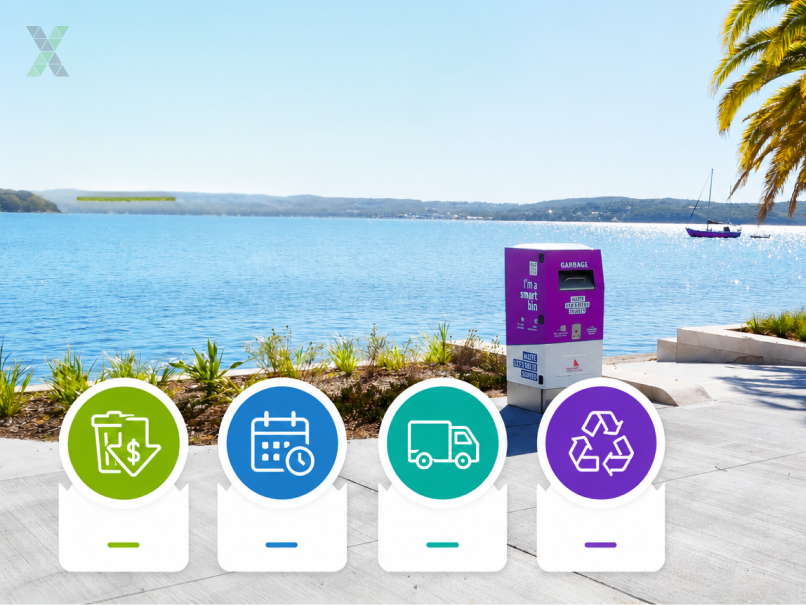 Exceed ICT partners with innovative waste intelligence platforms that leverage advanced sensor technology and software to transform how waste is monitored and managed.
Their solutions support:
- Councils: Real-time waste data enables councils to optimise collection routes, improve operational efficiency, reduce costs, and support community sustainability initiatives.
- Homes: Residential users gain visibility into waste generation habits, encouraging better recycling behaviours and reducing household environmental impacts.
- Offices: Commercial facilities benefit from detailed waste insights, helping businesses improve sustainability performance, reduce waste-related expenses, and support ESG reporting requirements.
- Waste Intelligence for a Circular Economy: By combining sensor technology, analytics, and behavioural insights, Exceed ICT helps organisations move towards a low-waste, circular economy future.
Conclusion
Waste management solutions have become an essential component of sustainable operations across Australia. As organisations face increasing pressure to reduce environmental impacts and improve resource efficiency, modern waste management systems provide practical pathways to achieve these goals.
From recycling and organics recovery to smart sensors and real-time waste analytics, innovative technologies are transforming how waste is managed, measured, and recovered.
By implementing effective waste management solutions, businesses, councils, and communities can reduce costs, improve sustainability outcomes, support circular economy objectives, and contribute to a cleaner, greener future for Australia.
Call us on 1300 832 639 or simply search “Exceed ICT” on Google Maps to find a location near you and connect with our team today.
We also provide Managed Services, Asset Management, IoT Helpdesk, Fleet Management, Project Management, Telecoms Expense Management.
Improve Your Business Core values, Business Consulting, Network Management, Telstra Adaptive Mobility, Device Enrolment, and many more Solutions.
Comments
Post a Comment